HAS Presents: the Legendary Comic Magazine GARO and Animation
SCHEDULE
Aug 21st (Fri) 14:45~ @JMS ASTER PLAZA Medium Hall
Program Overview
Garo, the legendary monthly manga magazine, stands at the origin of Japan's alternative culture and continues to shine with its singular vision today. How did its radical spirit inspire the world of animation? Through screenings of three extraordinary films that occupy a unique place in animation history, this program traces a little-known lineage connecting Garo and animated cinema.
The program also features a special talk by Seiichi Hayashi, whose unparalleled gekiga works for Garo and deeply lyrical visual style have exerted a profound influence on generations of animators.
This program is also presented as a tribute to two remarkable creators who transformed the relationship between manga and animation: manga artist Yoshiharu Tsuge, and director Tatsuo Sato, whose unforgettable adaptations of works by Tsuge and Nekojiru expanded the possibilities of animated expression.
Curated by Koji Yamamura.
※This screening has no English subtitles (except for some films), and the talk is in Japanese only (no interpretation).
SCREENINGGUEST
Guest
Guest: Seiichi Hayashi, Koji Yamamura
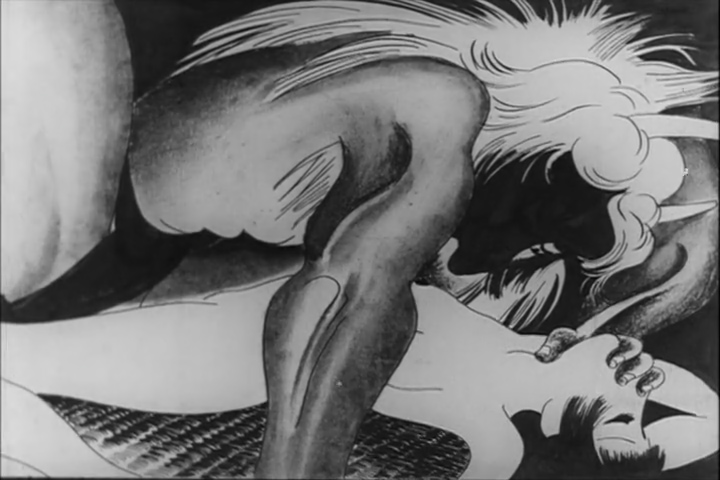
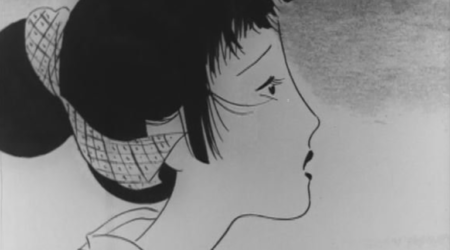
Oni Love Song
Seiichi Hayashi
Japan
1971
04:37
This evocative work portrays the forbidden love and struggle between a mountain-dwelling demon and a human villager. With minimal dialogue and an emphasis on serene music and poetic imagery, it leaves an unforgettable lingering echo in the viewer's heart. A masterpiece of high art, it beautifully captures the intersection between the bold experimental spirit of Japanese animation and the evocative power of traditional folklore.
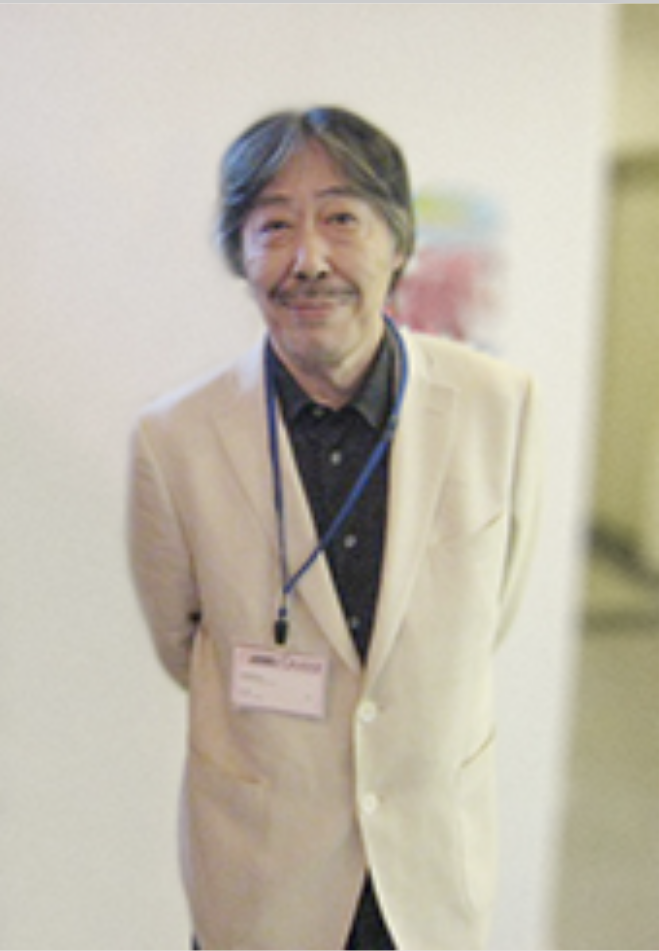
Seiichi Hayashi
Born in 1945 in Northeast China (formerly Manchuria), Seiichi Hayashi began his career during the dawn of Japanese television animation, working on Toei Animation’s Ken the Wolf Boy (Ookami Shonen Ken). He later debuted as a manga artist with Aguma to Musuko to Kuenai Tamashii (Aguma, His Son, and the Unconsumable Soul). His 1970 masterpiece Red Elegy (Sekishoku Elegy) became a landmark in youth manga, striking a profound chord with the generation of that era.
His creative work extends far beyond manga. In 1976, his TV commercial series for Lotte’s “Koume-chan” won a Bronze Lion at the Venice International Advertising Film Festival. Since then, he has applied his unique sensibility to a wide array of fields, including television commercials, animation for NHK’s Minna no Uta (Songs for Everyone), and picture books. Renowned for his lyrical portrayals of women, he is often celebrated as the “Yumeji Takehisa of the modern age.” He has also achieved international recognition in the fields of film and fine art, and served as an international jury member at the 3rd Hiroshima International Animation Festival.
An old man living beside the Glassy Ocean encounters a leap of a whale. In this place where time flows at a snail’s pace, the splash of seawater are like glass beads. The whale hangs in the air as if still, taking half a day to finally gracefully plunge back into the Glassy Ocean. As they watch the spectacle, the old man and other bystanders experience a variety of sensations, images and adventures resurrected from their minds…
Shigeru Tamura
Shigeru Tamura was born in Tokyo in 1949. His works include the picture books The Ants and the Watermelon (Poplar Publishing) and Who Ate It? (Fukuinkan Shoten), the art book The Works of Shigeru Tamura (Genkosha), and the manga collection Crystal Star (Seirin Kogeisha), among many others. He received the Grand Prize of the Sankei Children's Book Publishing Culture Award for Night Sounds, the Noburō Ōfuji Award at the Mainichi Film Awards for Ursa Minor Blue, and the Animation Grand Prize at the Japan Media Arts Festival for Glassy Ocean, among other honors.
One summer day, Nyatta the cat catches sight of his ailing older sister, Nyāko, being led away by the Grim Reaper. Desperate to save her, he rushes after them, only to have half of her soul taken away. Though Nyāko returns to life, she is no longer the same—her spirit seems to have vanished.
Tatsuo Sato
Tatsuo Sato was born on July 7, 1964, in O-iso city, Kanagawa, Japan.
Blood type A.
After being graduated from Waseda University, he started his career at Asia-Do as an animator (in-between), an assistant director and to a director in 1989.
And then, he participated TV animation series includes “Chibi Maruko chan” and “Aka Zukin chacha”. “Soar High” Isami” is his debut title as a director in 1995.
He directed a TV series, “Martian Successor Nadesico” (1996) as well as its theatrical movie, “Martian Successor Nadesico - Prince of Darkness” (1998) and it won Seiun Award which is the Japan’s notable Sci-Fi award.
"Cat Soup" (2001); the avant-garde theatrical film which he co-produced with Masaaki Yuasa; his old fellow, won double prizes “Best Short Film” and "Film Critics Association Prize" in the 6th Fantasia Film Festival in Montreal.
The film was also the winner of the "Excellence Prize" at the Media Arts Festival 2001 of the Agency for Cultural Affairs of the government of Japan.
In the same year of 2001, "Shingu: Secret of the Stellar Wars" which was based on his own original story was released. He also wrote the scripts of every episode.
“Bodacious Space Pirates” (2012) which he directed and acted as a series compositor, won Seiun Award which counts for his second time. And two years after, “Bodacious Space Pirates The Movie: Abyss of Hyperspace”, the theatrical film was also premiered.